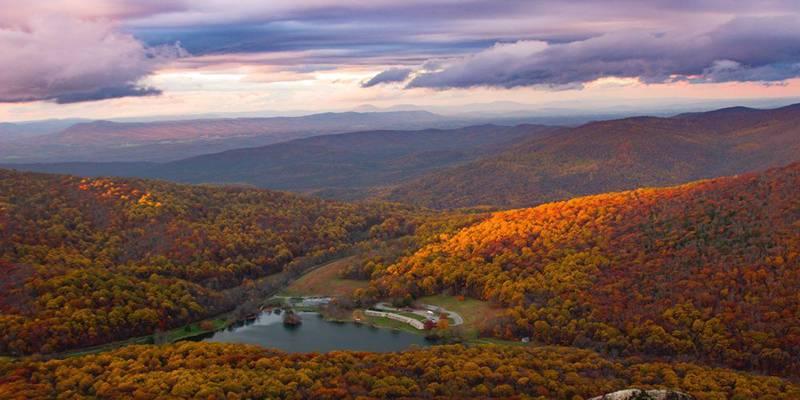
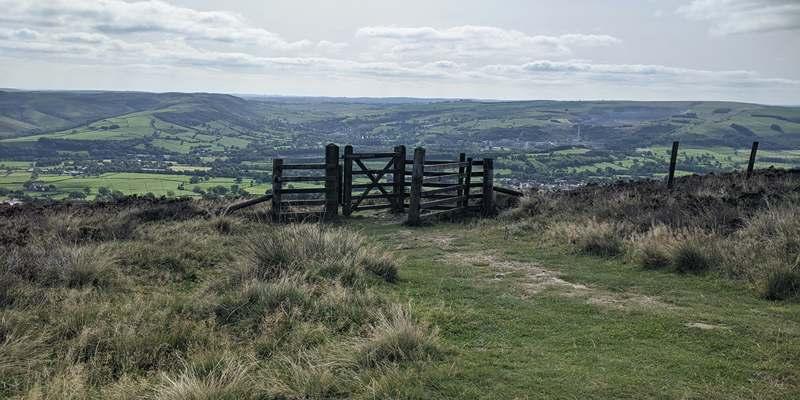
Shenandoah National Park stretches gracefully along the crest of the Blue Ridge Mountains in western Virginia, offering a blend of scenic beauty, accessible hiking, forested landscapes, and tranquil overlooks. For first-time visitors, the park’s extensive trail system, renowned Skyline Drive, and abundant wildlife offer more than enough to plan a rewarding getaway. With some preparation and understanding of what the park offers, travelers can enjoy a well-balanced introduction to this Appalachian gem.
Getting to Shenandoah National Park
Shenandoah National Park is located about 75 miles west of Washington, D.C., making it a convenient nature retreat for both regional and long-distance visitors. The park is accessible through four main entrances: Front Royal (North), Thornton Gap, Swift Run Gap (Central), and Rockfish Gap (South). Each connects directly to Skyline Drive, the primary road that runs the full length of the park for 105 miles.
This scenic route is the backbone of the park and provides access to most major overlooks, trailheads, picnic areas, and lodges. Driving Skyline Drive is not just practical—it’s also one of the most scenic experiences in the eastern United States. Visitors are advised to drive slowly, not only to enjoy the views but also because deer, wild turkeys, and even black bears may occasionally cross the road.
Best Time to Visit
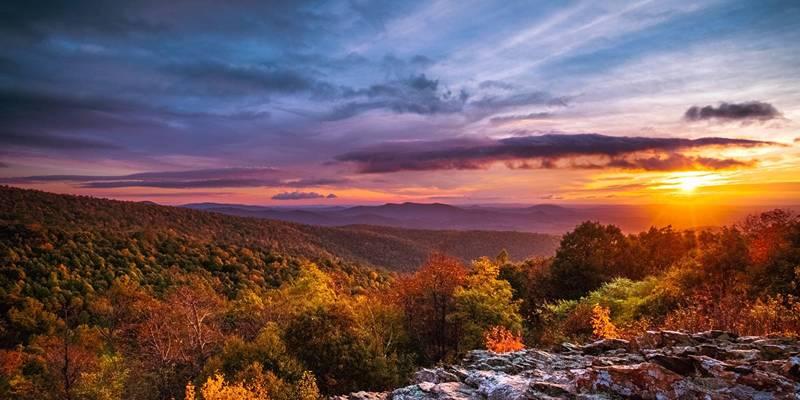
Shenandoah is open year-round, but the best seasons for a first-time visit are spring and fall. From April through early June, blooming wildflowers and fresh greenery bring the forest to life. Autumn, especially mid-September to late October, is the most popular time due to the vibrant foliage that blankets the mountains in reds, oranges, and golds.
Summers can be humid, with afternoon thunderstorms, though early mornings remain ideal for hikes. Winter brings a quieter, more solitary version of the park. While some facilities and trails may be closed due to snow or ice, the views are often just as striking. Checking weather and road conditions in advance is important, particularly during shoulder seasons.
Lodging and Camping Options
Shenandoah offers two main lodges inside the park: Skyland and Big Meadows Lodge. Both provide rustic comfort with easy access to hiking trails and scenic overlooks. For visitors wanting to remain closer to nature, the park also features several campgrounds, including Mathews Arm, Big Meadows, Lewis Mountain, and Loft Mountain.
These campgrounds are ideal for tents or RVs, with amenities like restrooms, potable water, and food storage lockers to prevent wildlife interactions. Reservations are strongly recommended, especially during the peak foliage season. For those preferring to stay outside the park, towns like Luray, Elkton, and Waynesboro offer a range of accommodations within short driving distance of the entrance gates.
Best Trails for First-Time Hikers
Shenandoah’s trail system includes over 500 miles of marked paths. For new visitors, a few trails stand out due to their manageable distance and rewarding views.
- Stony Man Trail (1.6 miles round trip): A short and moderately steep trail that leads to panoramic views, suitable for families and beginners.
- Dark Hollow Falls (1.4 miles round trip): A popular trail featuring a picturesque waterfall. The descent is steep and requires caution on wet days.
- Limberlost Trail (1.3-mile loop): A gentle, wheelchair-accessible loop through a beautiful forest of mountain laurel and large trees.
- Hawksbill Summit (2.1 miles round trip): This trail takes hikers to the highest peak in the park, with a stone platform offering expansive views.
- Blackrock Summit (1-mile loop): A short trail to a boulder-covered summit with sweeping views of the Shenandoah Valley.
Wildlife and Nature Watching
The park is home to a wide variety of wildlife, including black bears, bobcats, foxes, white-tailed deer, and over 200 species of birds. While sightings are more common during early morning or late evening hours, wildlife can appear at any time of day.
Visitors are encouraged to observe animals from a safe distance and never feed or approach them. Carrying food in airtight containers and using designated storage areas helps prevent unwanted wildlife interactions, particularly in campgrounds.
Birdwatchers can spot hawks, woodpeckers, and warblers from both trails and overlooks. In spring and early summer, wildflowers and flowering trees brighten the forest floor and attract pollinators, adding color and motion to even the quietest walks.
Top Scenic Overlooks
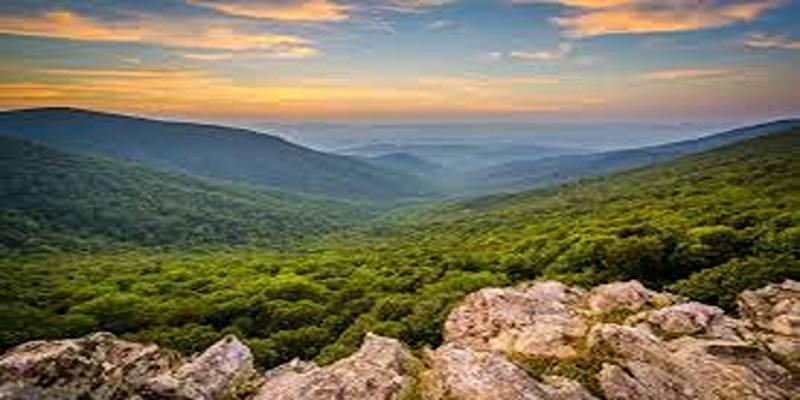
Skyline Drive offers dozens of overlooks with ample parking. A few are particularly recommended for first-time visitors:
- Thornton Hollow Overlook: Ideal for early morning views with mist lifting from the valley below.
- Crescent Rock Overlook: Offers stunning south-facing views and access to nearby hiking trails.
- Spitler Knoll Overlook: Features views of ridge layers extending deep into the Appalachian range.
- Baldface Mountain Overlook: Best experienced during the golden hour, with dramatic lighting across the hills.
Stopping at overlooks throughout the day creates a relaxing rhythm to any visit, providing natural breaks between hikes or drives.
Park Etiquette and Responsible Travel
Visitors to Shenandoah are encouraged to follow Leave No Trace principles. Stay on marked trails to prevent erosion, carry out all trash, and avoid disturbing plants or animals. Camp only in designated sites and use bear-proof containers where required. Fires are permitted only in established fire rings and should never be left unattended.
The park also requests that noise be kept to a minimum on trails and at campgrounds to preserve the natural ambiance. Photography and sightseeing are welcome, but drones are prohibited in order to protect wildlife and preserve the experience for others.
Conclusion
Shenandoah National Park provides a rich introduction to the landscapes and ecosystems of the Blue Ridge Mountains. From family-friendly trails and peaceful waterfalls to sweeping valley overlooks and diverse wildlife, the park offers something for every type of traveler.
A well-planned first visit blends scenic drives with time outdoors, fostering both appreciation and understanding of this quiet Appalachian sanctuary. With its accessible beauty and range of activity levels, Shenandoah makes an excellent choice for anyone looking to experience the outdoors for the first time or return for a deeper connection with nature.