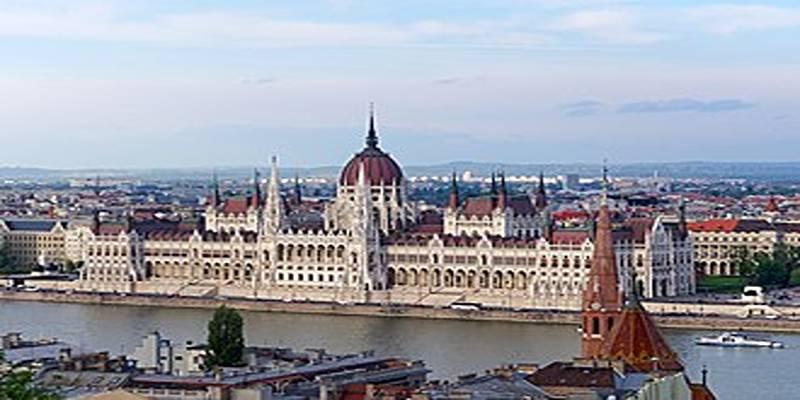
Budapest continues to rise in popularity among European travel destinations, thanks to its scenic riverside setting, architectural beauty, thermal experiences, and overall traveler-friendly atmosphere. Yet, behind the postcard-worthy views lies a city that rewards preparation and awareness.
This guide explores 10 important things to know before planning a trip to Budapest, ensuring first-time visitors can enjoy the Hungarian capital with confidence and comfort, without being caught off guard.
1. The Local Currency Is the Forint, Not the Euro
Budapest may be part of the European Union, but the Hungarian forint (HUF) remains the local currency. Euros are rarely accepted outside of select hotels and souvenir shops. For travelers from euro- or dollar-based economies, it’s important to either exchange money upon arrival or withdraw local currency from ATMs, which generally offer favorable exchange rates.
Contactless payments and card transactions are common in larger businesses and restaurants. However, smaller vendors, bakeries, and public transport often require cash. Having a mix of payment options is advisable throughout the trip.
2. Budapest Is Two Cities in One
One of the most useful facts to know is that Budapest is split into two areas: Buda and Pest, divided by the Danube River. Buda features hilly terrain and scenic residential neighborhoods, while Pest is flatter and home to the bulk of commercial activity, dining, and accommodation options.
Understanding the city’s dual layout helps visitors organize their days effectively. While Pest is livelier and more densely packed with attractions, Buda offers peaceful neighborhoods, panoramic viewpoints, and green spaces.
3. English Is Widely Understood in Tourist Areas
Though Hungarian is the official language, English is spoken across most parts of the tourism, hospitality, and transport industries. Travelers will find English menus in restaurants, bilingual signage in major landmarks, and English-speaking staff in hotels and shops.
Still, learning a few Hungarian greetings or thank-yous is appreciated by locals and demonstrates cultural respect. Having a translation app or printed guide phrases can also help when visiting areas outside the city center.
4. Public Transportation Is Excellent and Affordable
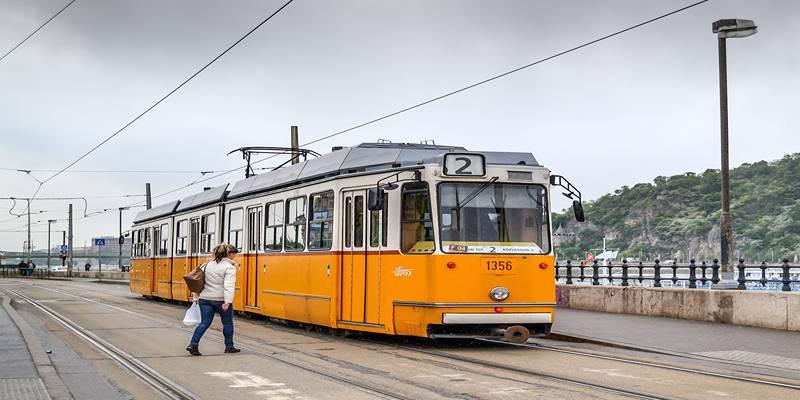
Budapest’s public transport network includes four metro lines, trams, buses, and trolleybuses. The system is well-maintained, inexpensive, and punctual. For visitors staying multiple days, a 24-hour, 72-hour, or 7-day Budapest travel card offers unlimited rides and saves time compared to single-ticket purchases.
Tickets must be validated upon entry, and random checks are common. Trams such as Line 2 offer scenic views along the Danube and are a great way to explore neighborhoods without needing a taxi.
5. Thermal Baths Require Swimsuits and Towels
Budapest is renowned for its thermal experiences, and most public bathhouses are open year-round. Visitors should be aware that swimsuits are mandatory, and bringing a towel, flip-flops, and a swimming cap (for lap pools) is recommended.
Many facilities offer locker rentals and swimwear for hire, but lines can be long. Booking ahead and arriving prepared helps avoid delays. While the experience is deeply relaxing, rules on pool use and hygiene are enforced, so reading posted signage or asking staff is always helpful.
6. Local Etiquette Values Quiet and Respectful Behavior
Hungarian people tend to value modesty and decorum, especially in public settings. Loud talking on public transport, queue cutting, or overt displays of frustration are frowned upon. Politeness and a calm demeanor are appreciated in restaurants, shops, and transit environments.
It’s also customary to greet service providers upon entry and exit of stores or cafés. In many cases, this cultural awareness can turn a basic transaction into a pleasant exchange.
7. Walking Is the Best Way to Explore—but Wear Good Shoes
Much of Budapest is best discovered on foot. The city centre, riverbanks, and key landmarks are all walkable and filled with small details that might be missed in a vehicle. However, cobblestone streets, sloping roads on the Buda side, and occasional long staircases make comfortable walking shoes a necessity.
Exploring the city on foot is not only rewarding but also efficient when combined with occasional tram or metro use for longer stretches.
8. Tap Water Is Clean and Safe to Drink
Visitors can safely drink tap water across Budapest. Whether in restaurants, accommodations, or public fountains, the water is treated and suitable for refillable bottles. It not only cuts down on travel costs but also supports sustainable tourism practices.
In warmer months, staying hydrated is especially important, and many cafés are happy to refill bottles upon request. Buying bottled water is unnecessary except for convenience.
9. Tipping Is Expected in Most Service Situations

Tipping is a normal part of transactions in Hungary. In restaurants, a 10% to 15% tip is customary unless a service charge is already included in the bill. It’s advisable to check your receipt, as some places automatically add this fee.
Tips are also appreciated in taxis, for hotel staff, and for tour guides. While rounding up is acceptable in informal settings, a small cash tip demonstrates gratitude and is well-received across most service sectors.
10. Budapest Is Safe, But Watch for Common Travel Scams
Budapest is generally considered safe for tourists, with low violent crime rates and friendly public spaces. That said, travelers should remain aware of common scams, particularly in heavily visited areas like transport hubs and tourist streets.
Avoid individuals offering unsolicited assistance or directing you to unofficial businesses. Always use official taxis or apps and rely on accredited ticket vendors or booking sites for excursions. Keeping belongings close and using anti-theft bags adds an extra layer of security when exploring busy areas.
Conclusion
Visiting Budapest for the first time offers a rewarding mix of comfort, beauty, and cultural charm. With efficient transport, friendly locals, and a layout that encourages exploration, the city welcomes travelers who prepare well and remain respectful of its rhythms.
From understanding currency use to staying hydrated with clean tap water, every practical detail adds to a smoother experience. Budapest’s appeal lies not just in its stunning sights but in the ease with which it can be navigated once key details are understood.