Given all the options, selecting the right cooking oil can be a challenging task. Every oil offers a unique culinary profile, health benefits, and the most effective cooking methods. While some oils are harmful if overheated, others have beneficial fats. Knowing the pros and cons of different cooking oils will help you make more informed, health-conscious decisions in your kitchen. In this article, will examine the primary pros and cons of commonly used cooking oils in this article so that you can choose the best ones for your food and cooking needs
Key Points:
- Cooking oils differ in health benefits and cooking applications.
- Different oils contain various types of fats and smoke points.
- The right oil to use depends on your cooking style and health objectives.
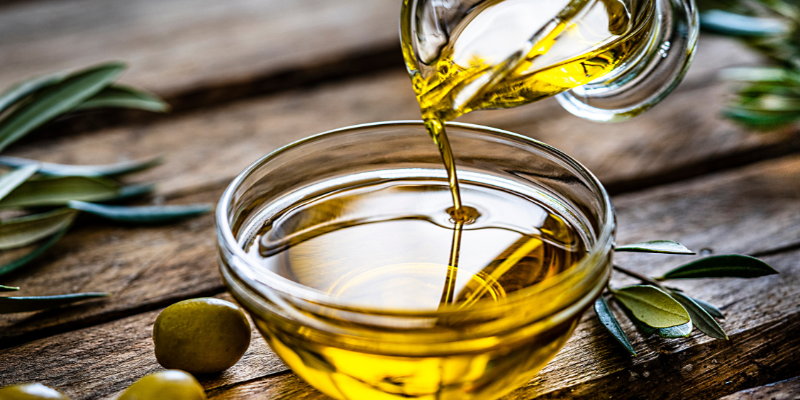
Olive Oil: A Healthy Heart Choice
Advantages:
Extra-virgin olive oil, in particular, is renowned for its heart-healthy benefits. It contains monounsaturated fats and antioxidants that can help prevent inflammation and reduce the risk of heart disease. Olive oil is perfect for salad dressings, low-heat cooking, and finishing dishes with a drizzle.
Cons:
Olive oil has a medium smoke point (approximately 375°F/190°C), making it unsuitable for frying at high heat. Heating it above its smoke point degrades its nutrients and forms dangerous compounds.
Key Points:
- High in healthy monounsaturated fatty acids and antioxidants.
- Works best in salads, sautéing, and low-heat cooking.
- Not recommended for high-heat frying.
Canola Oil: An All-Purpose Daily Oil
Advantages:
Canola oil is versatile for use due to its neutral flavor and affordability. It contains more omega-3 fatty acids, and its higher smoke point (approximately 400°F/204°C) makes it less likely to burn. It has minimal saturated fat.
Cons:
Most canola oil used is highly processed and might be obtained from genetically modified plants. Some nutritionists suggest limiting consumption due to the risk of refined oils.
Key Points:
- Neutral flavor and inexpensive.
- Appropriate for cooking at medium to high temperatures.
- Processed and frequently genetically altered.
Coconut Oil: Trendy but Controversial
Pros:
Coconut oil has its fans thanks to its good taste and its ability to stay in a stable form at high temperatures (smoke point around 350°F/177°C). Coconut oil is high in saturated fats, particularly medium-chain triglycerides (MCTs), which provide quick energy and may aid in weight management.
Cons:
The use of coconut oil has skyrocketed over the past decade. However, it is still very high in saturated fat, and consuming too much may raise levels of LDL (bad) cholesterol. The health benefits of coconut oil are still a topic of debate among nutritionists.
Important Points:
- stable for medium heat cooking and baking
- Contains MCTs that provide quick energy
- high in saturated fat, which may raise cholesterol levels
Avocado Oil: The High-Heat Genius
Pros:
Avocado oil has a very high smoke point (approximately 520°F/271°C), making it an excellent choice for grilling, frying, and roasting. It is high in monounsaturated fats and vitamin E, which help with heart and skin health.
Cons:
Avocado oil can be pricey and also less readily available than other cooking oils. The flavor is strong and may not work with all recipes.
Key Points:
- Great for high-heat cooking.
- High in healthy fats and vitamin E.
- It can be pricey, and it can have a flavor.
Peanut Oil: Ideal for Frying
Advantages:
Peanut oil has a high smoke point (approximately 450°F/232°C) and is widely used in deep frying due to its mild taste and stability. It also includes a combination of monounsaturated and polyunsaturated fats.
Disadvantages:
Peanut oil can trigger allergic reactions in individuals with peanut allergies. It's also rich in omega-6 fatty acids, which, when consumed excessively, can cause imbalances.
Key Points:
- Ideal for deep-frying and stir-frying.
- Rich in healthy fats but potentially allergenic.
- Balance your consumption of omega-6 fats with other types of fats.
Sesame Oil: Nutty Flavored but Restricted Usage
Advantages:
Sesame oil imparts a strong, nutty flavor to food and is commonly used in Asian cuisine. It contains antioxidants and has a medium heat tolerance, with a smoke point of approximately 210 °C (410°F). Use toasted sesame oil as a finishing oil to add an extra layer of flavor.
Sesame oil is not suitable for deep-frying and can overpower the subtle flavors of recipes. Store it properly to avoid it going rancid.
Key Points:
- Excellent for flavoring stir-fries and marinades.
- Not recommended for high-heat deep frying.
- Requires proper storage for freshness.

Grapeseed Oil: A Light, Neutral Option
Benefits:
Light in flavor and relatively high smoke point (about 420°F/216°C), grapeseed oil is suitable for sautéing and baking. It's also high in polyunsaturated fats and vitamin E.
Cons:
Grapeseed oil contains high levels of omega-6 fatty acids, which must be balanced with omega-3 consumption to prevent inflammation.
Key Points:
- Neutral taste and adaptable for cooking.
- High in vitamin E but with high omega-6 content.
- Needs a balance of omega-3 in the diet.
Conclusion
Choosing the right oil for culinary uses will depend on your cooking methods, taste preferences, and overall health goals. Certain oils, such as olive oil and avocado oil, can offer significant health benefits when used correctly. While other oils such as coconut oil, peanut oil, and sunflower oil can provide significant benefits when consumed in moderation. Knowing which oils to use and understanding their smoke points, fat content, and how they behave with heat are all valuable tools for making the best choices in your kitchen.
By using a variety of great oils while aiming for balance, you can have tasty meals while being kind to your heart, weight, and overall health. It is always ideal to limit your use of heavily processed oils and aim for balance in your omega-6 and omega-3 fatty acid intake over the long haul!